Upcycle old fabric into new pet accessories
Helping pet owners transform fabric waste into playful, sustainable pet accessories
Project Type
Service Design/Website Design
Timeline
Jan. 2025-Mar. 2025 (10 weeks)
Team
HCDE Team:
2 UX Researcher
2 UX Designer (Me)
What I Did
Translated research findings into journey maps, ecosystem maps, and key service touchpoints that informed digital experience design.
Created user flows, wireframes, and high-fidelity prototypes for workshop booking, fabric donation, and sharing features to ensure a cohesive online-to-offline experience.
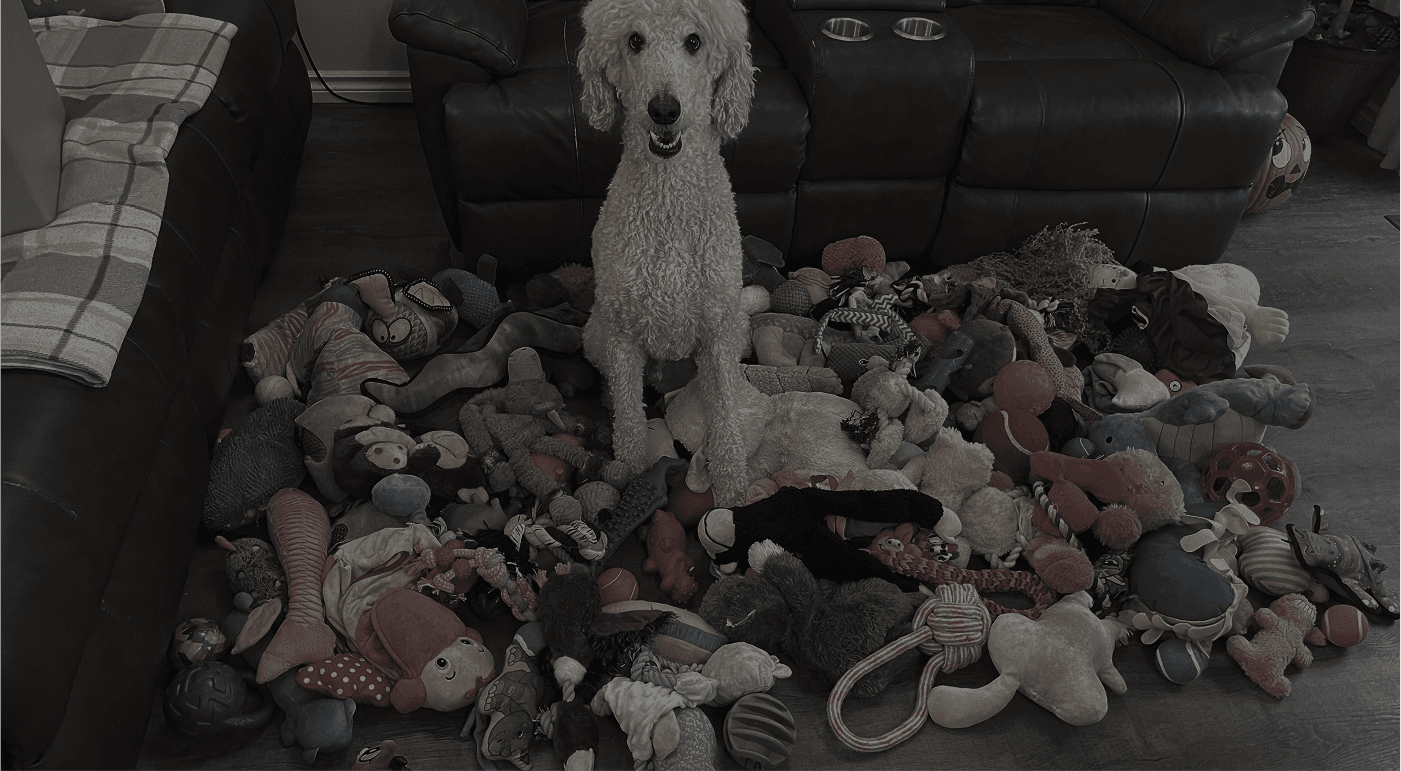
The Core Challenge
How might we bridge the textile waste cycle by designing a service that converts owner-supplied, high-trust fabric into safe, customized pet accessories?
The Challenge
Bridging the Waste-Safety Divide
Pet owners consistently discard accessories due to durability or hygiene fears, contributing to a substantial cycle of textile waste. Our design had to solve this critical tension: transforming waste into a new product while simultaneously guaranteeing the material safety and hygiene pet owners prioritize above all else.
The Goal
Future-Proofing Consumption & Building Community
The strategic goal was to design and validate Petter, an integrated service (digital platform + physical workshop) that achieves a triple impact: reducing textile waste, lowering the market barrier to sustainable pet goods, and maximizing the emotional bond through owner co-creation.
Impact
Petter service was designed to create emotional value and a strong intent-to-participate among sustainable and safety-conscious pet owners.
Intent to Participate
Based on testing, participants expressed high confidence and intent to book a workshop, driven by the Personalized Prep Checklist.
Higher Emotional Value
Co-designed, customized toys were rated significantly higher in emotional meaning compared to generic store-bought alternatives.
Key Touchpoints
Mapped the complex service ecosystem, identifying 5 key touchpoints for intervention across the owner's upcycling journey.
Research & Insights
To design Petter, I employed a mixed-methods approach—including Secondary Research, Affinity Mapping (synthesizing 4 interviews and 30+ survey responses), and Co-design Workshops
Key Insight #1
🛡️Safety Precedes Sustainability
Pet owners prioritize guaranteed hygiene and durability above all other factors, including eco-friendliness. The fear of unknown or second-hand materials creates a critical barrier to sustainable adoption, further compounded by sustainable alternatives being up to 3X more expensive than regular toys.
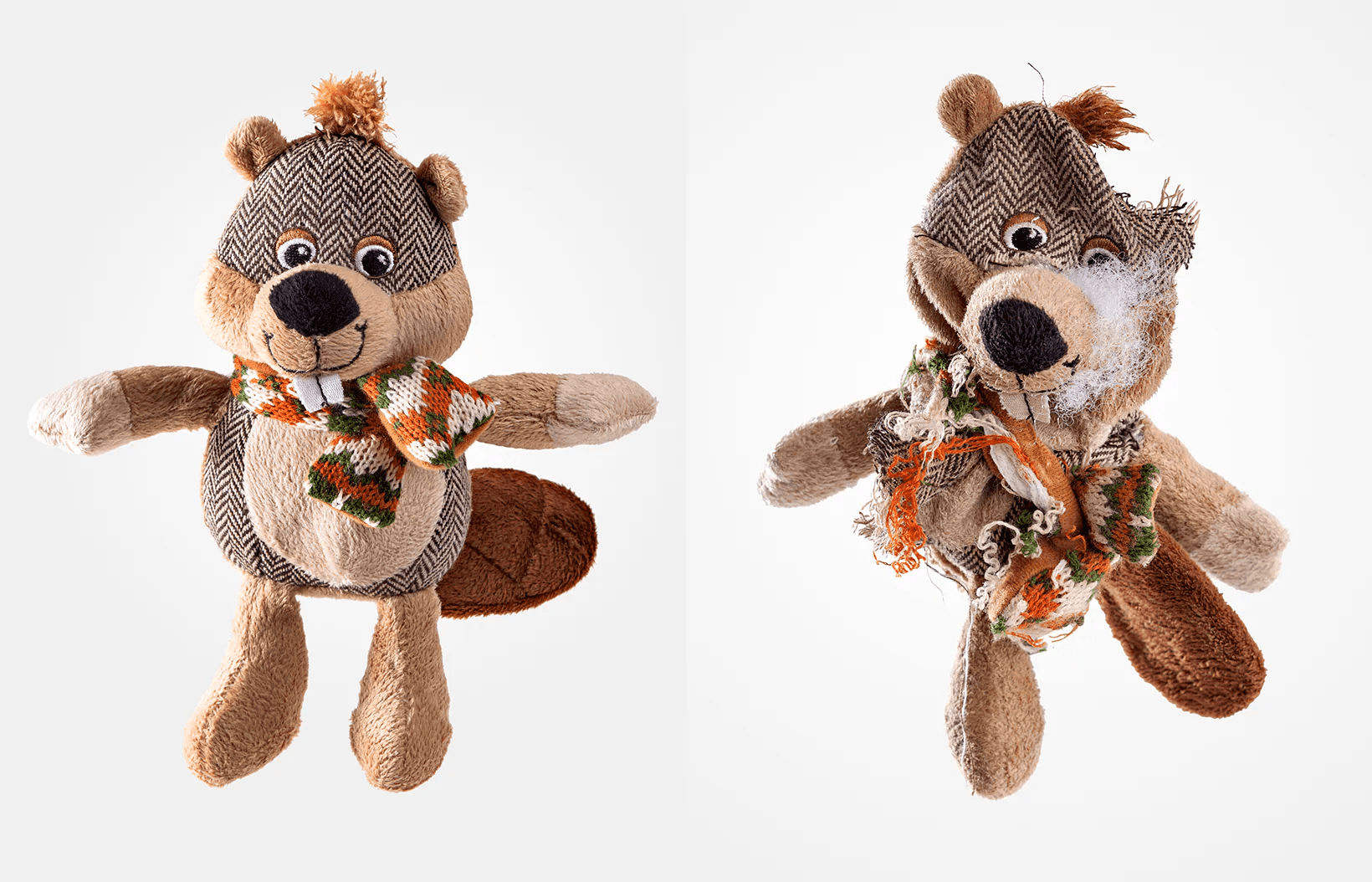
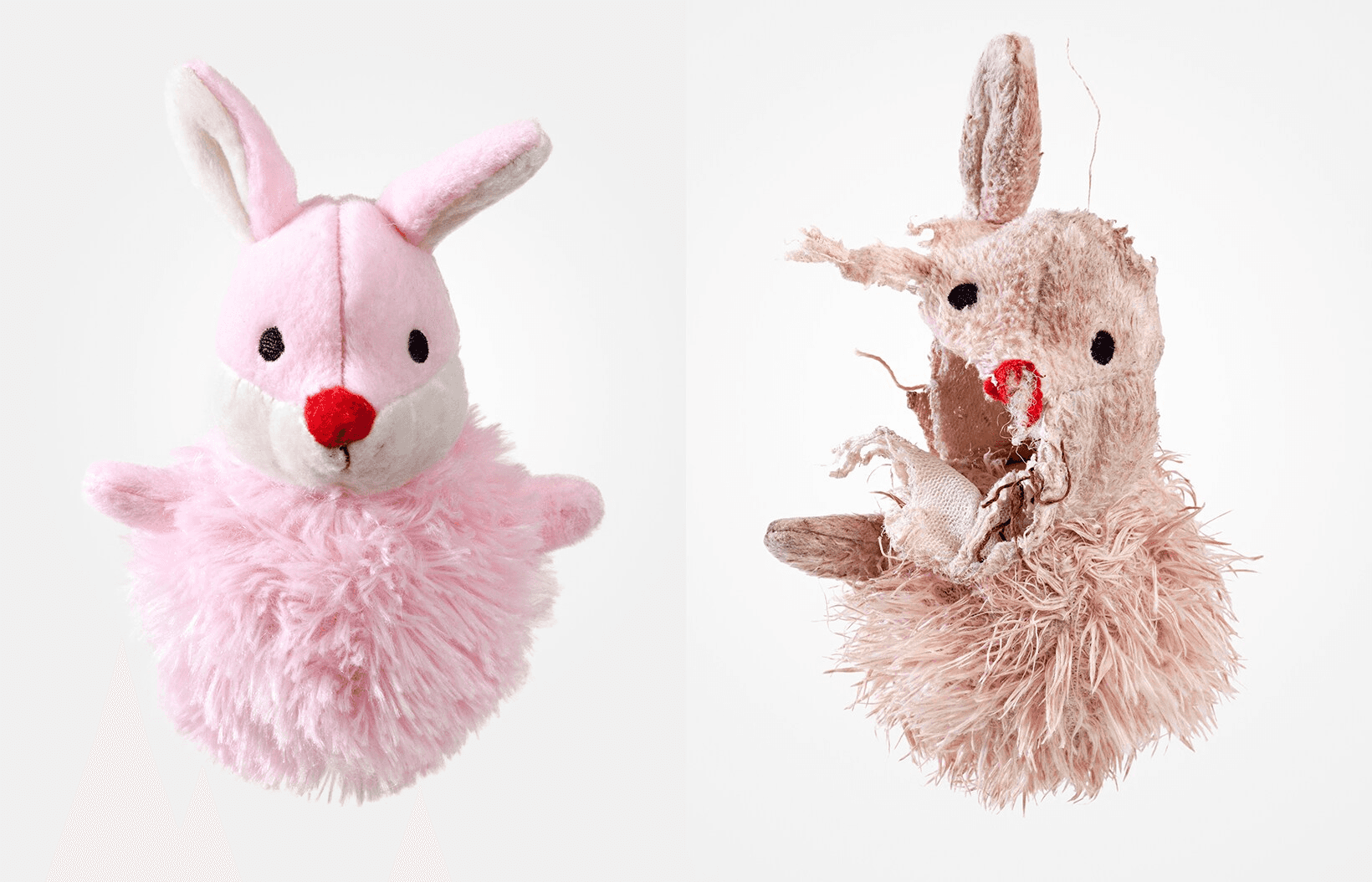
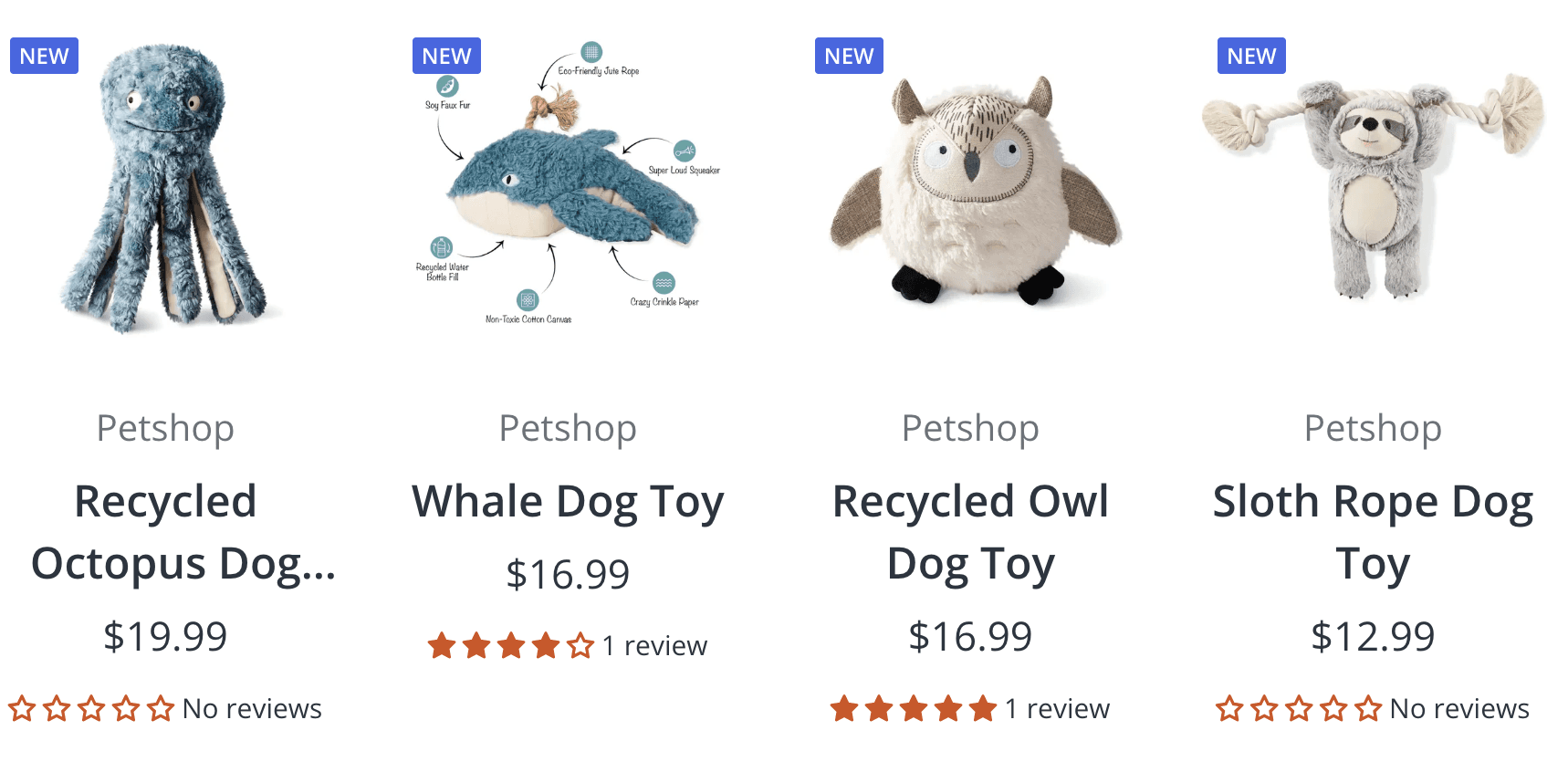
pet toy made from eco-friendly material
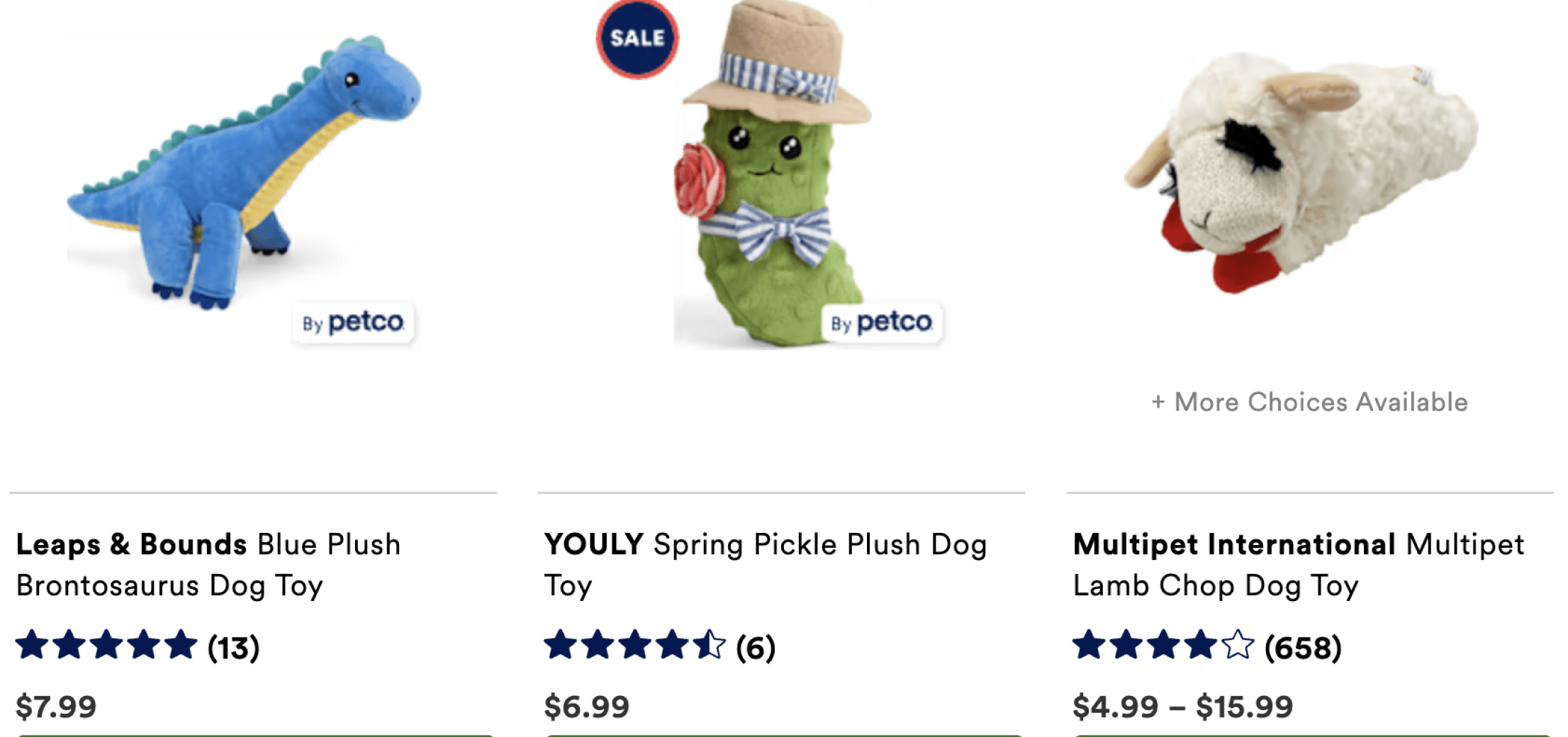
regular pet toy
Key Insight #2
✨Customization Drives Emotional Retention
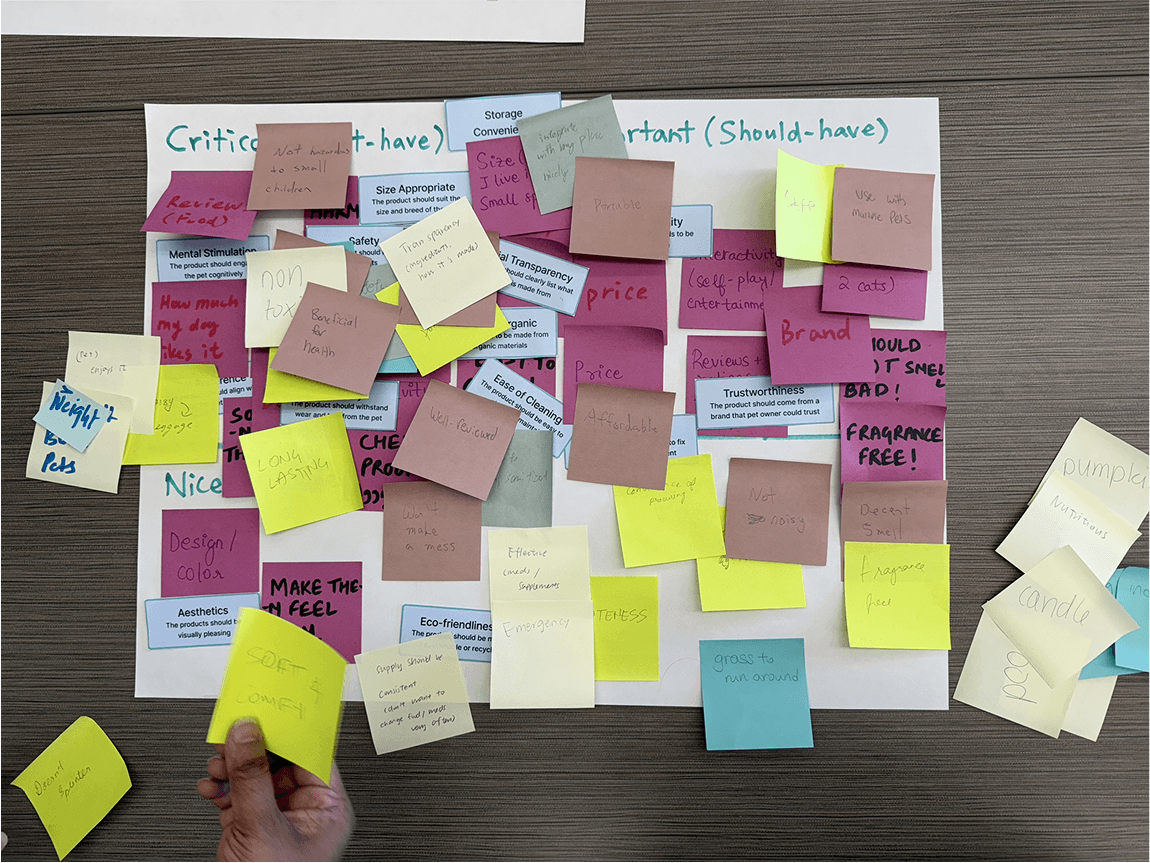
Products gain significant emotional value when customized to the pet's specific personality and play style. This personalization transforms a disposable item into a cherished, irreplaceable object.
"Making it myself specifically for my dog feels special; it’s not just another toy.” -Co-design P2
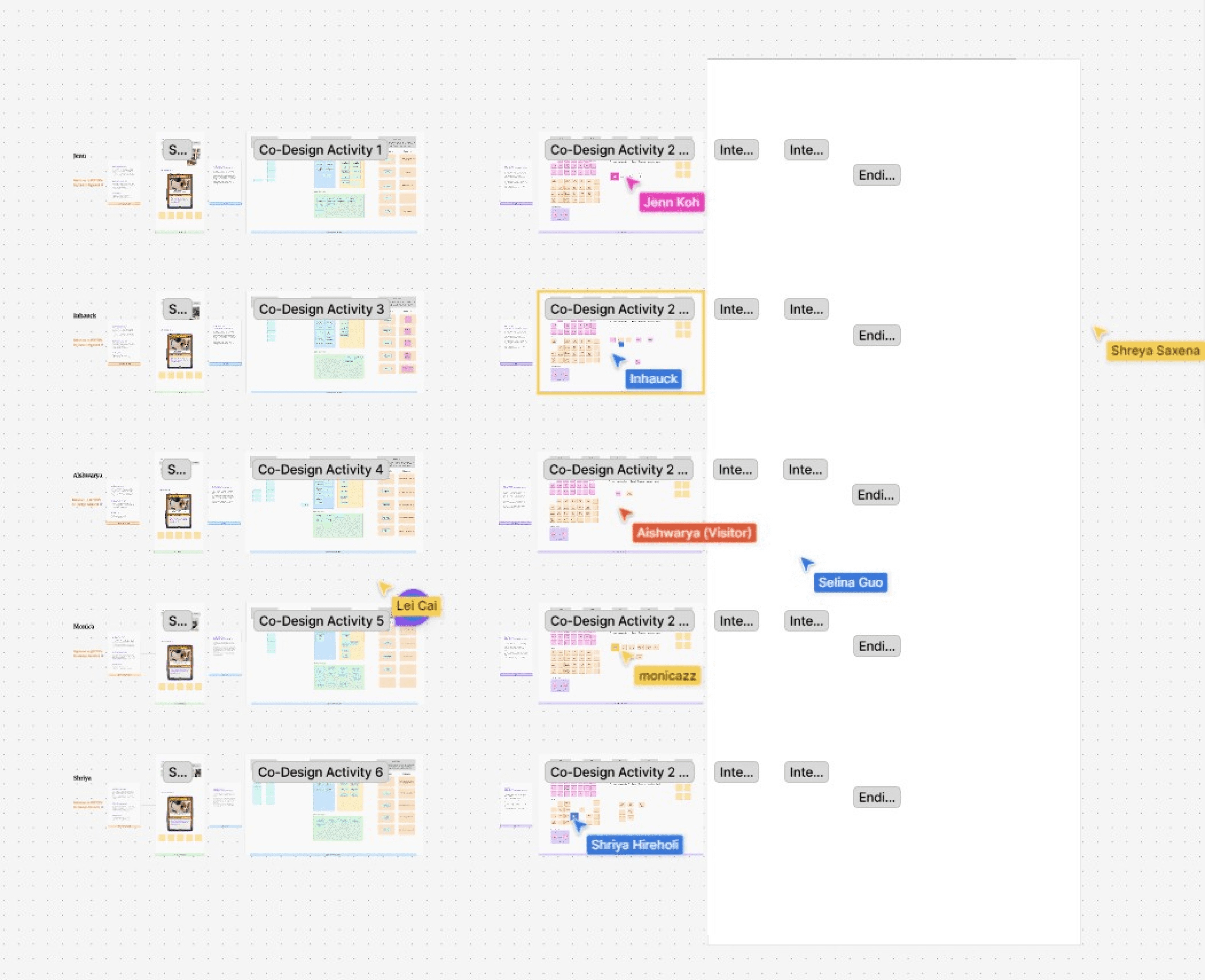
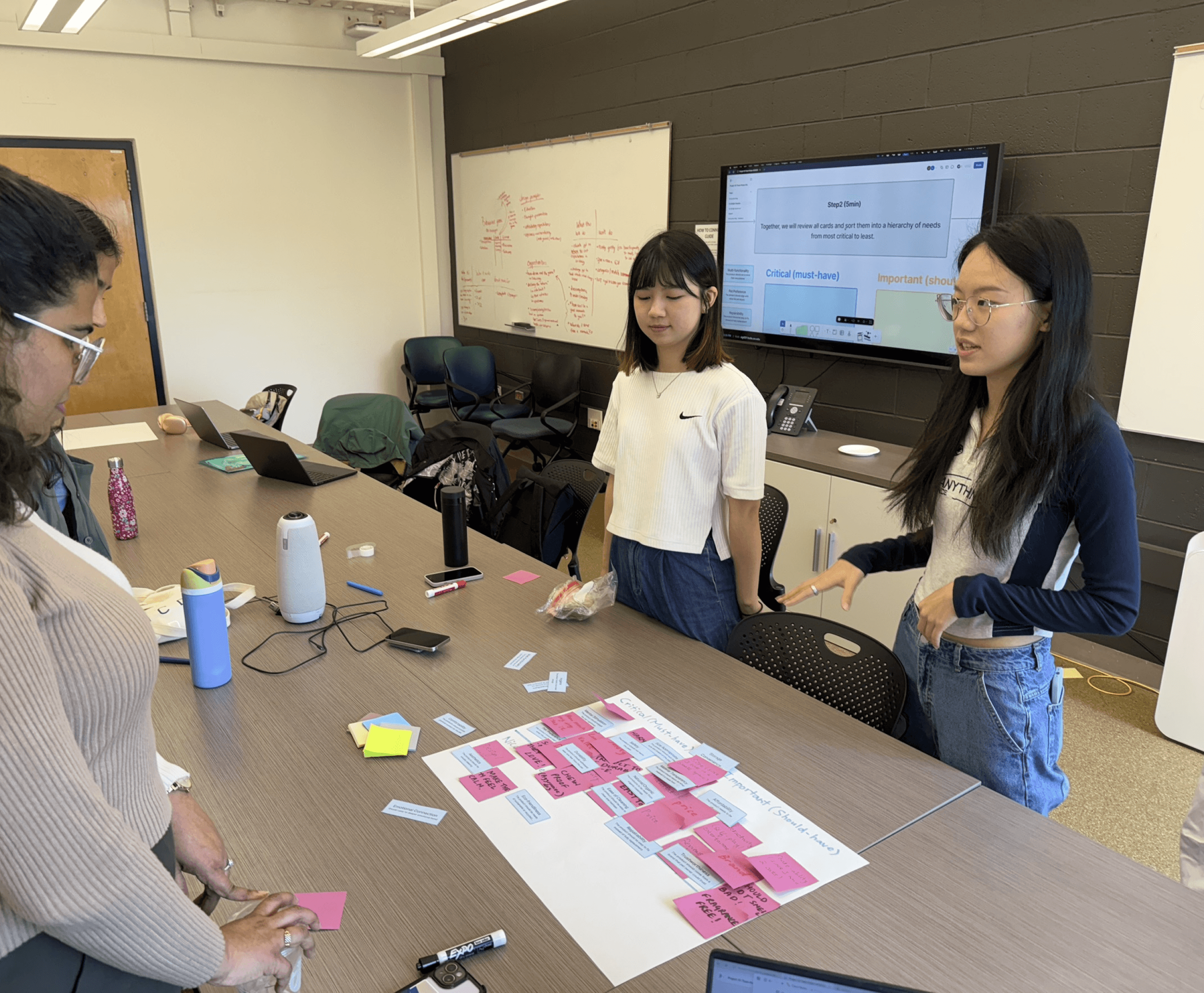
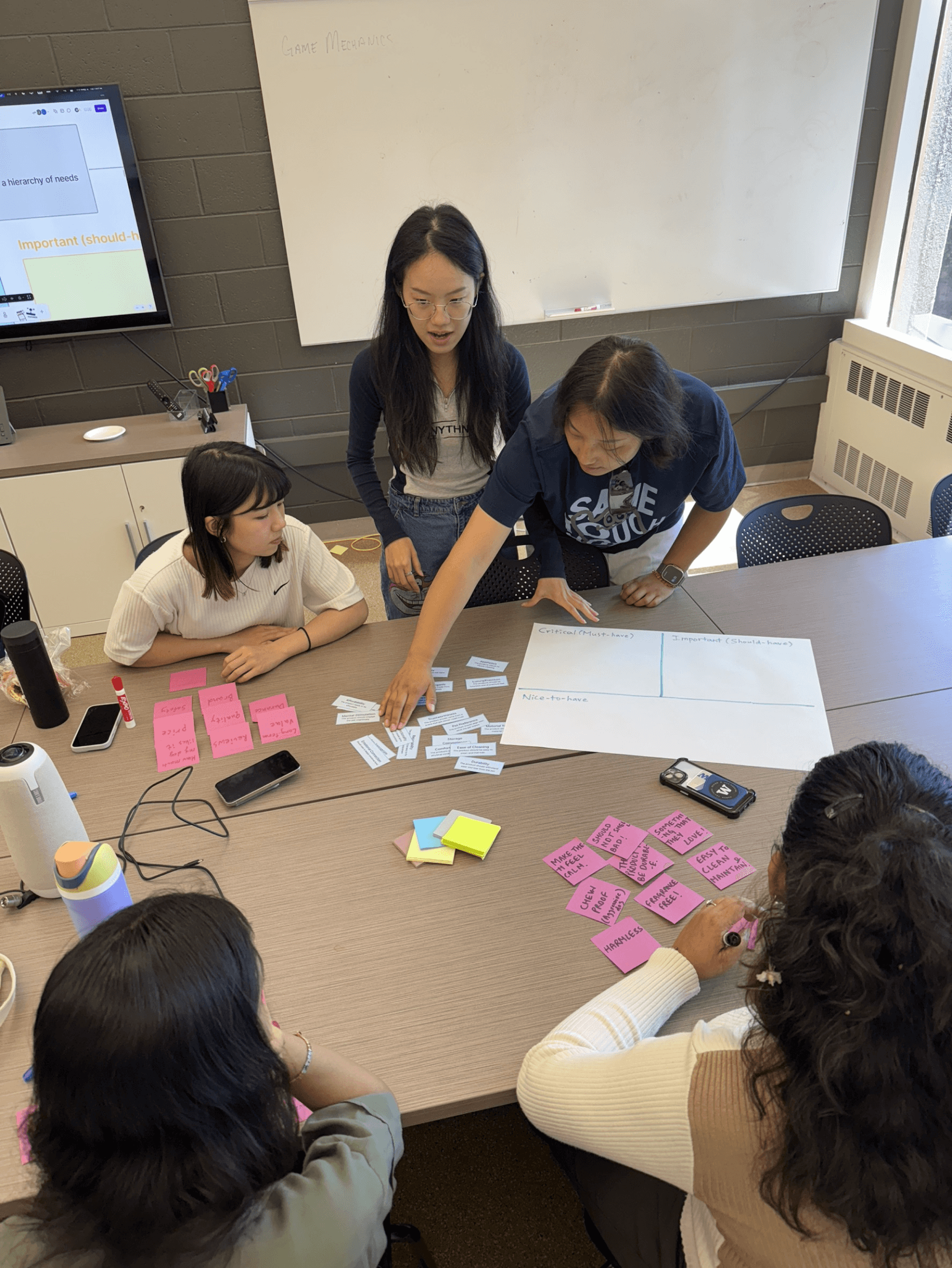
In person co-design
Online co-design
Key Insight #3
✨Education Fosters Sustainable Action
Pet owners respond best when learning about sustainability and their choices is approachable, supportive, and non-judgmental. They seek clear guidance on how to make a positive impact, rather than feeling judged for past disposal habits.
"I want to learn how my choices impact pets and the environment, but it needs to feel easy to start." -Interview P1
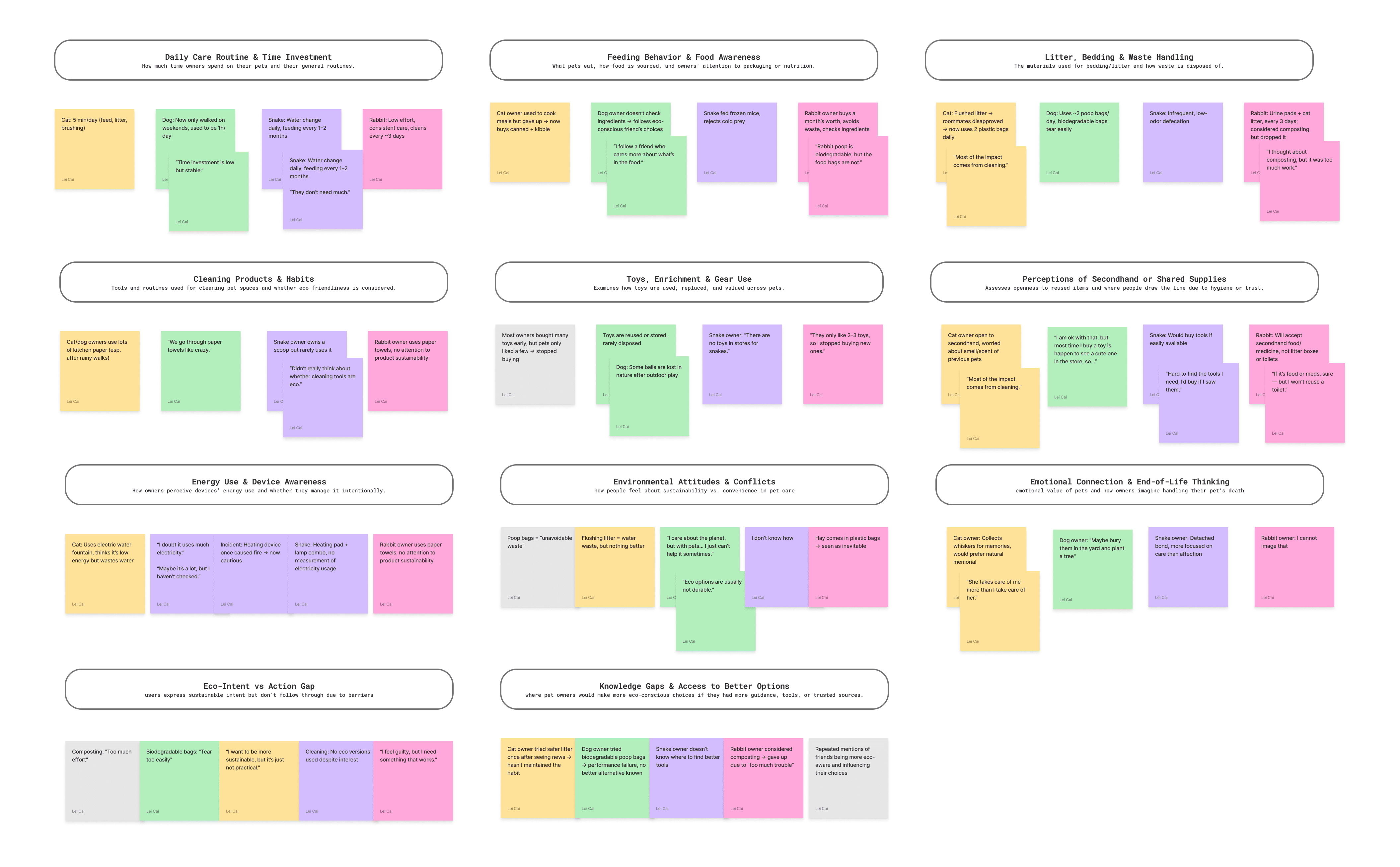
Affinity mapping of 4 internviews & 30+ survey reponses

Mapping Experience
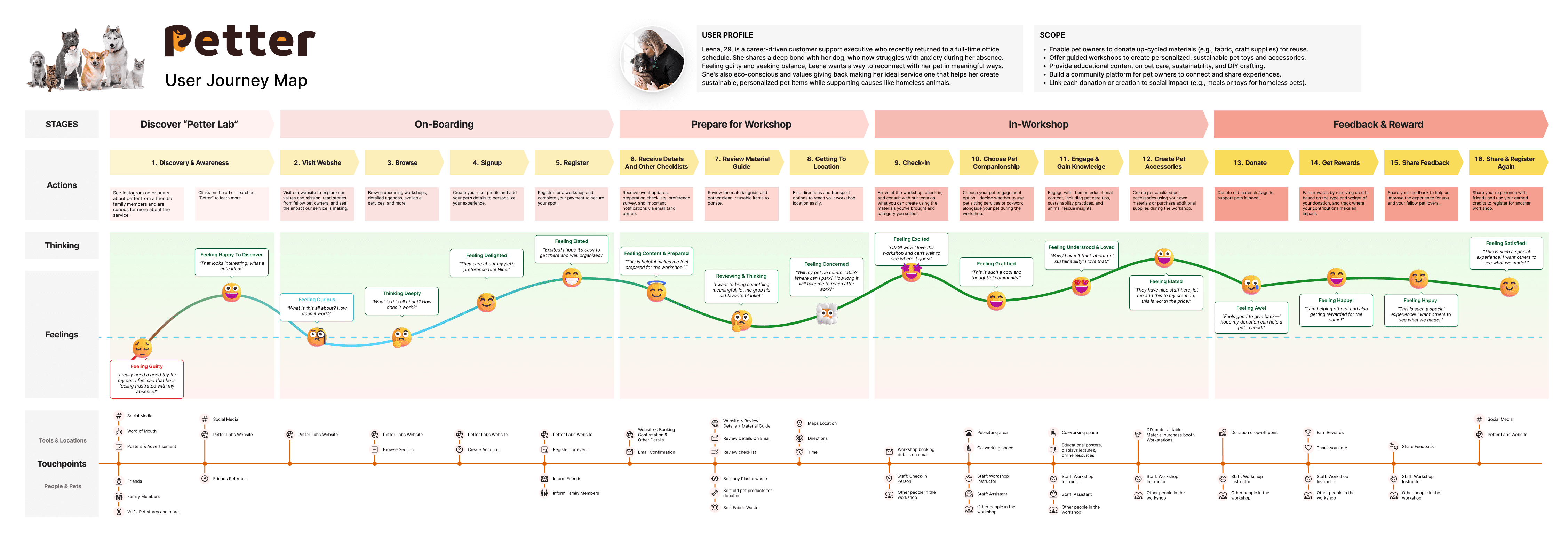
Ecosystem Map: Identifying Opportunities
The ecosystem map revealed key opportunities across the pet owner journey. From discovery to feedback, we focused on elements: browsing workshops, receiving clear preparation checklists, and engaging in guided co-design during workshops.
Mapping Experience
Service Blueprinting: Unifying the Online-to-Offline Journey
Petter is designed as a cohesive service journey: Pet owners discover, reserve a workshop, prepare their fabrics using clear instructions, and finally create accessories in a supportive physical environment.


Final Design
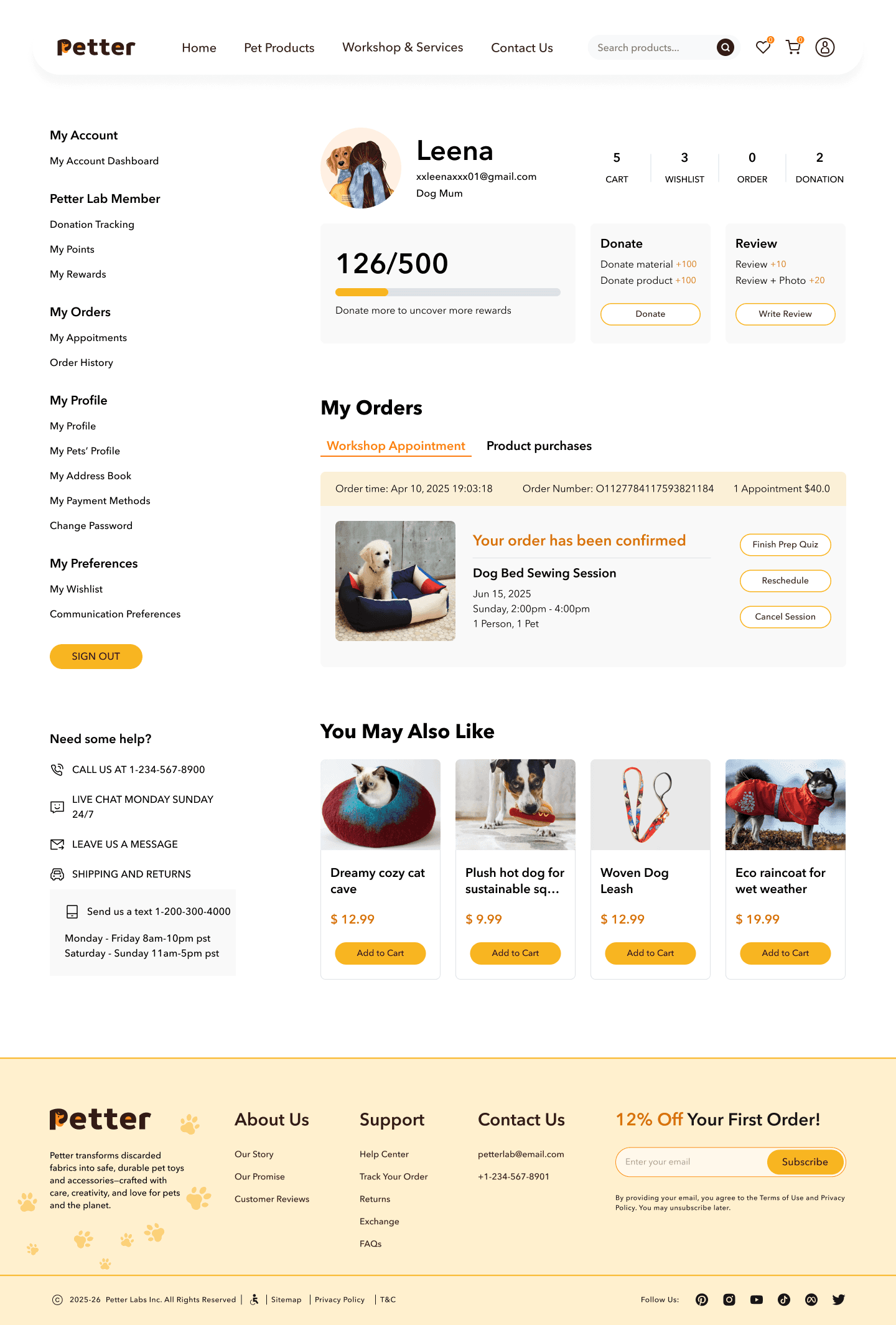
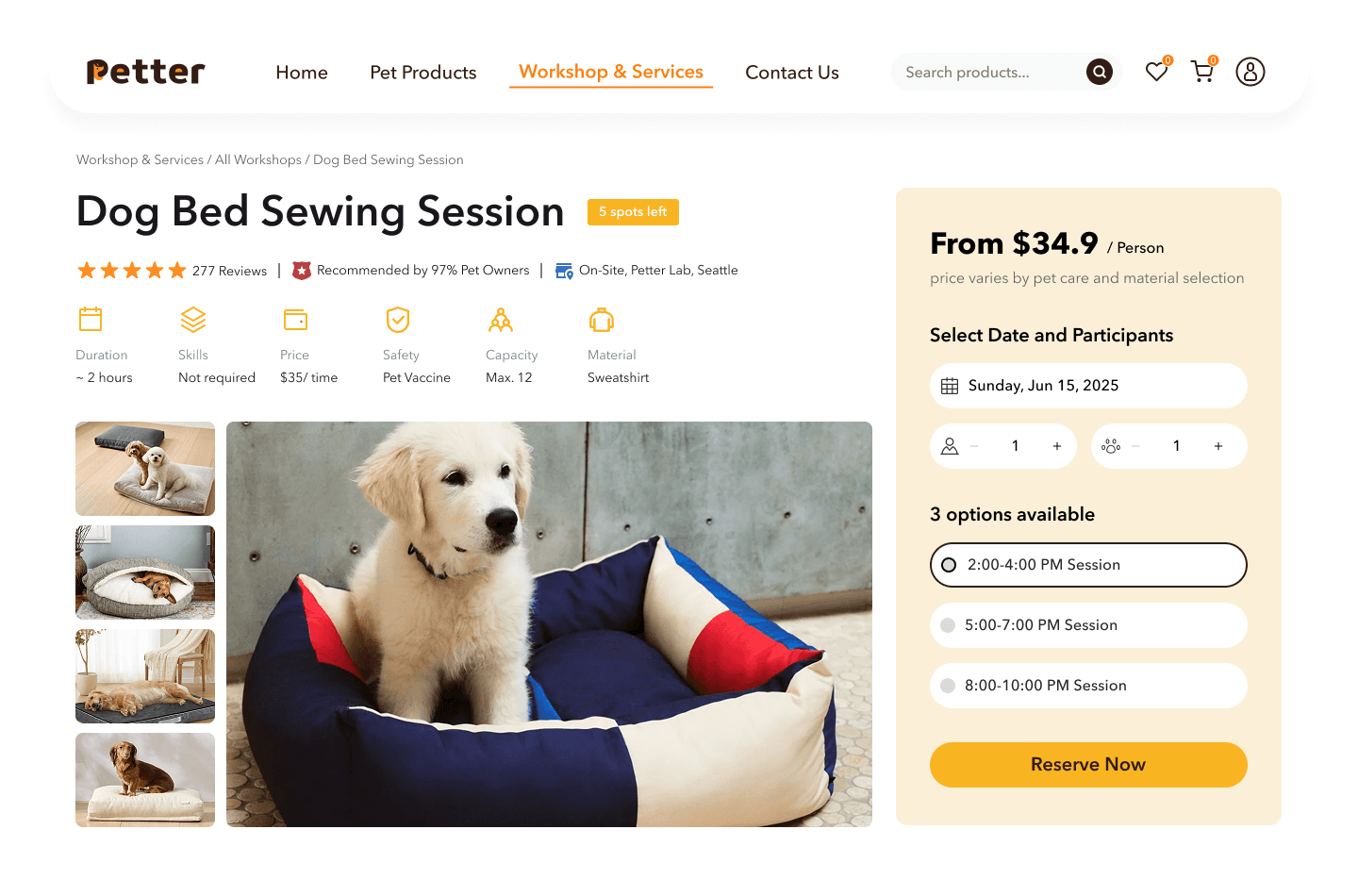
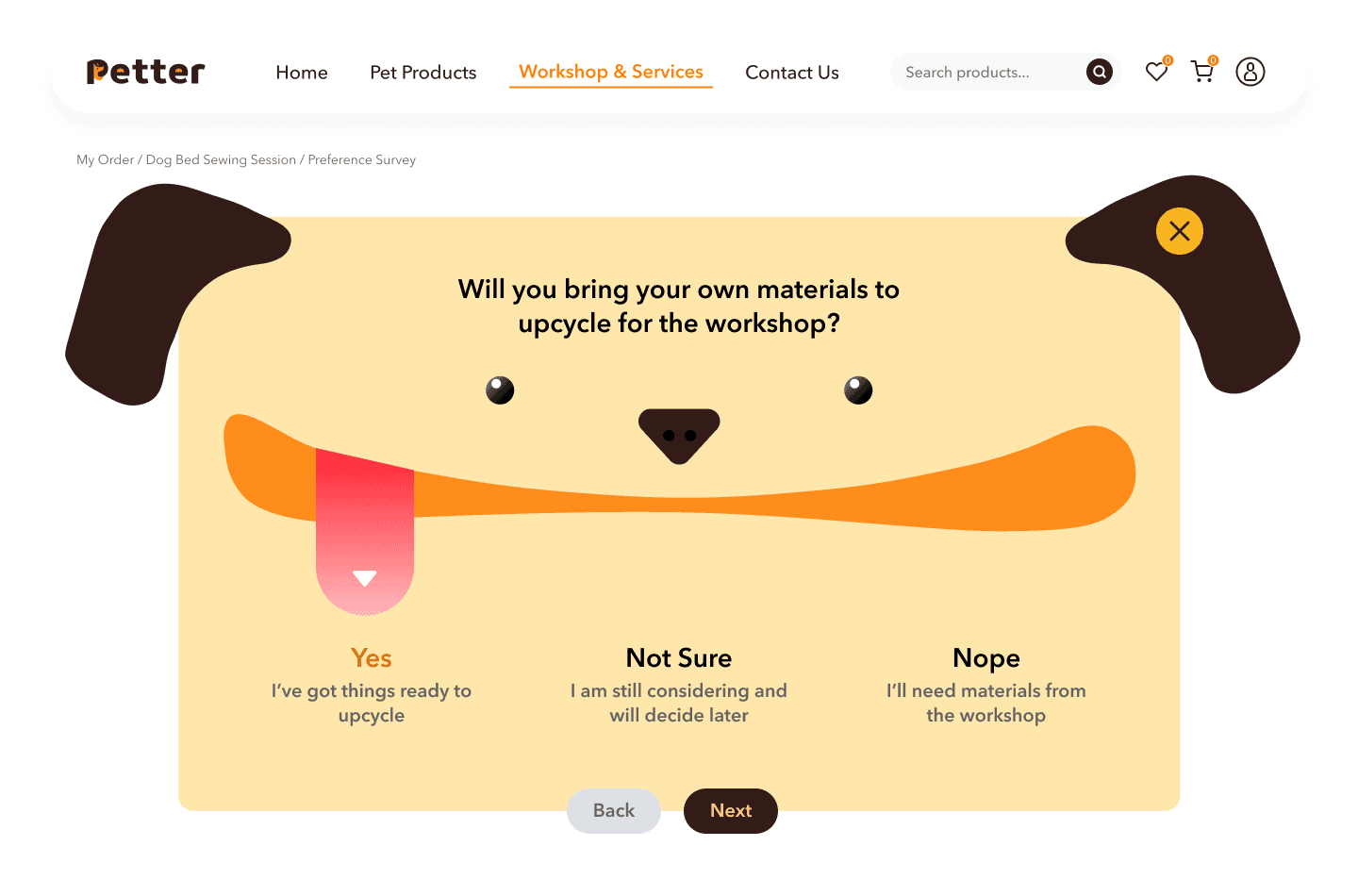
🐶 Petter digital platform serves as the entry point, guiding pet owners from awareness to participation
Users discover Petter, learn how to choose safe materials for their pets, explore how old fabrics can be transformed into new opportunities, and seamlessly discover, reserve, prepare, and attend Petter workshops.
Browse workshops by type and difficulty, find activities that fit their pets’ needs and their own skill level.
Provides personalized instructions like how to prepare fabrics, what supplies to expect, and tips for bringing pets safely and comfortably based on what users answer for the quick quiz
Final Design
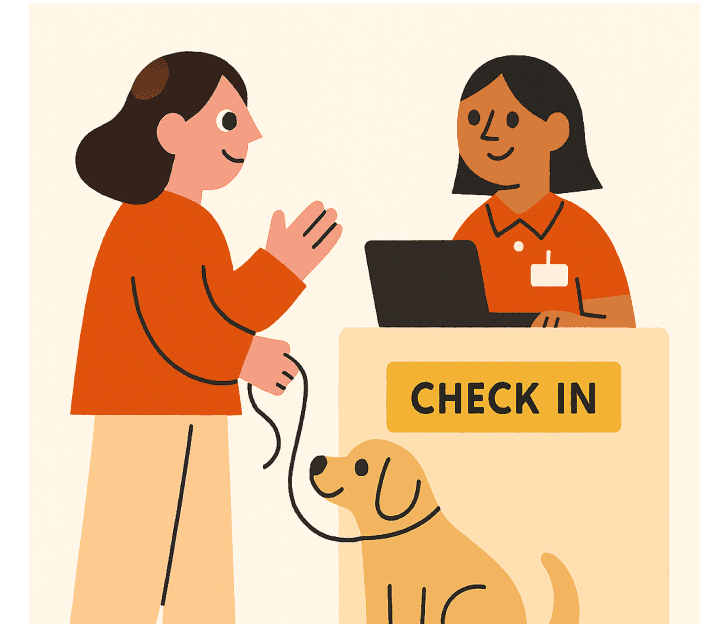
🧶Petter workshop is the heart of the service, turning waste into playful creation
Pet owners bring their own fabrics—trusted materials that ensure safety and comfort—and join hands-on sessions to craft toys tailored to their pets’ unique preferences. Guided by instructions, the workshop transforms toy disposal into an opportunity for creativity, bonding, and sharing. Extra creations can be donated, extending the impact to shelters and other pets in need.
Check-in Into The Workshop
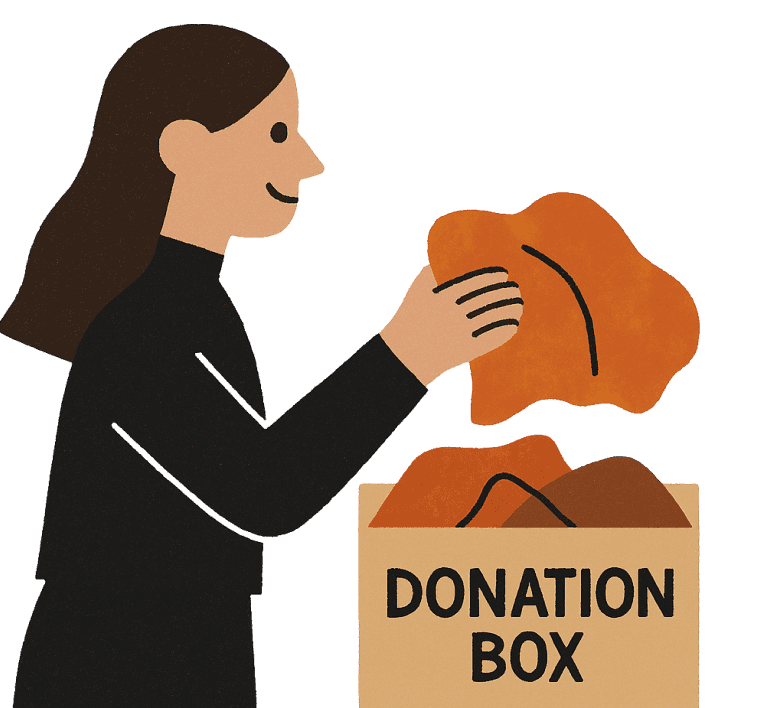
Contribute Scrap Fabric Donation
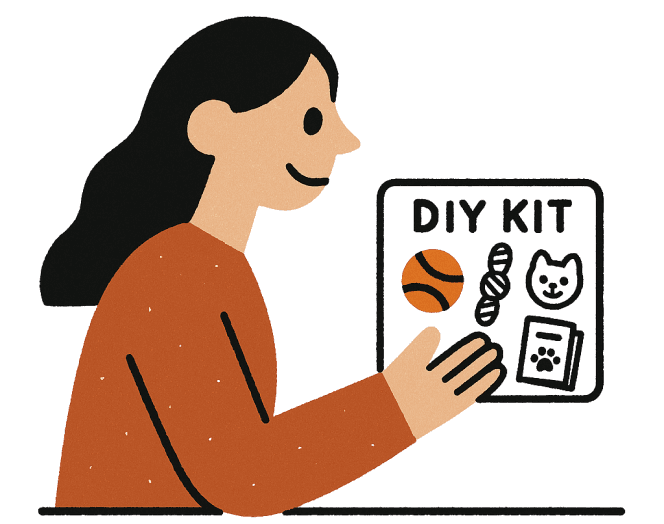
Get Tailored DIY Toy Kits
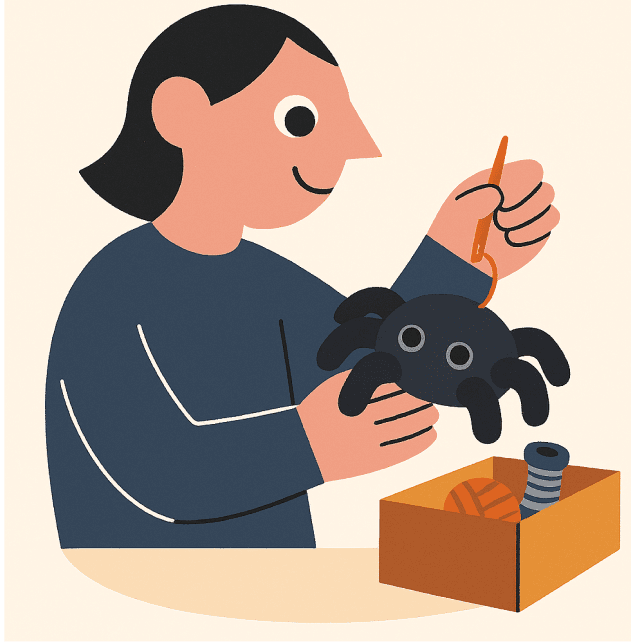
Craft With Guidance
View Narrative Prototype
Reflection & Next Steps
The successful design and validation of the integrated Petter service confirmed the viability of an online-to-offline model for tackling textile waste and promoting community co-creation.
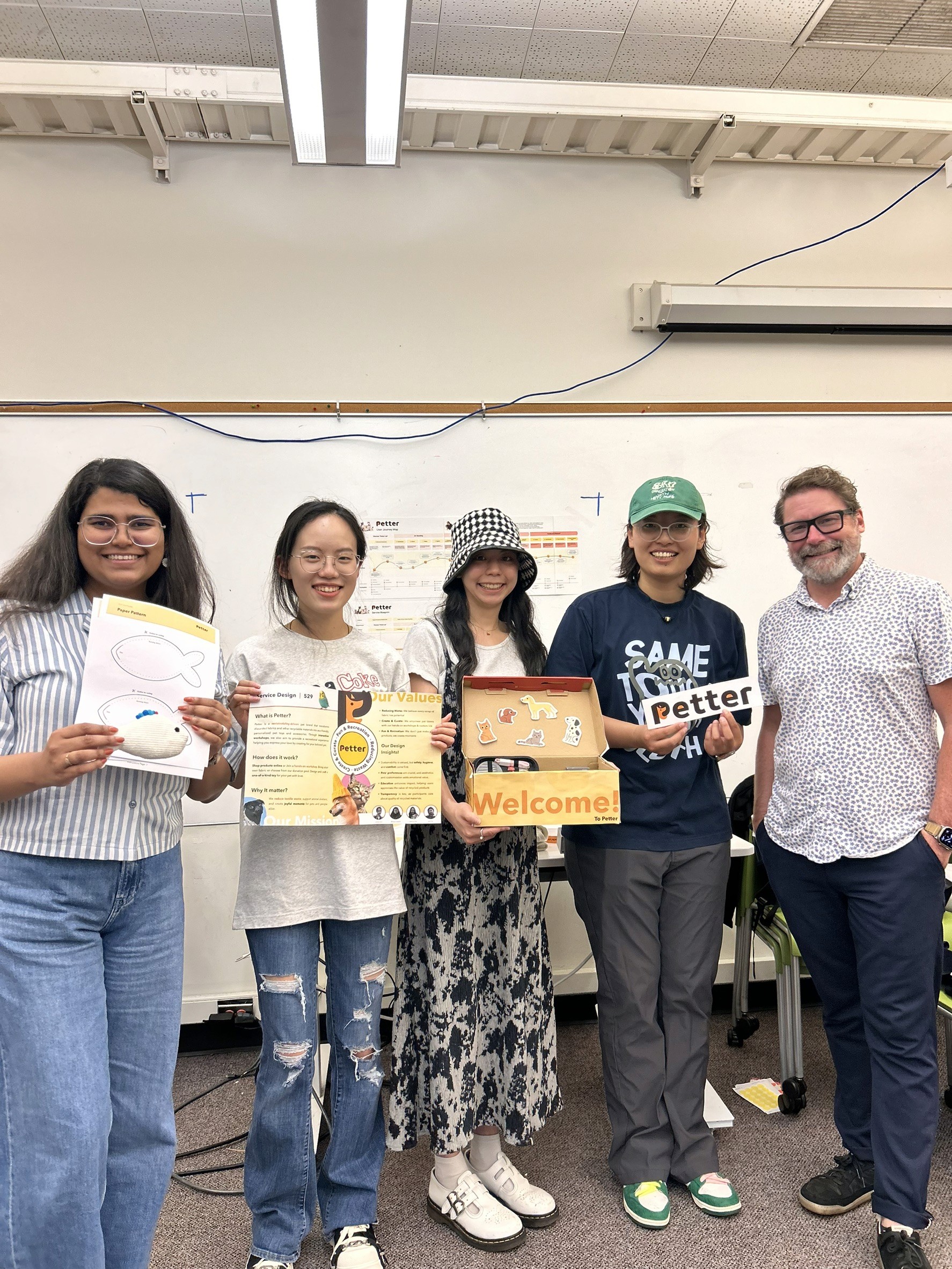
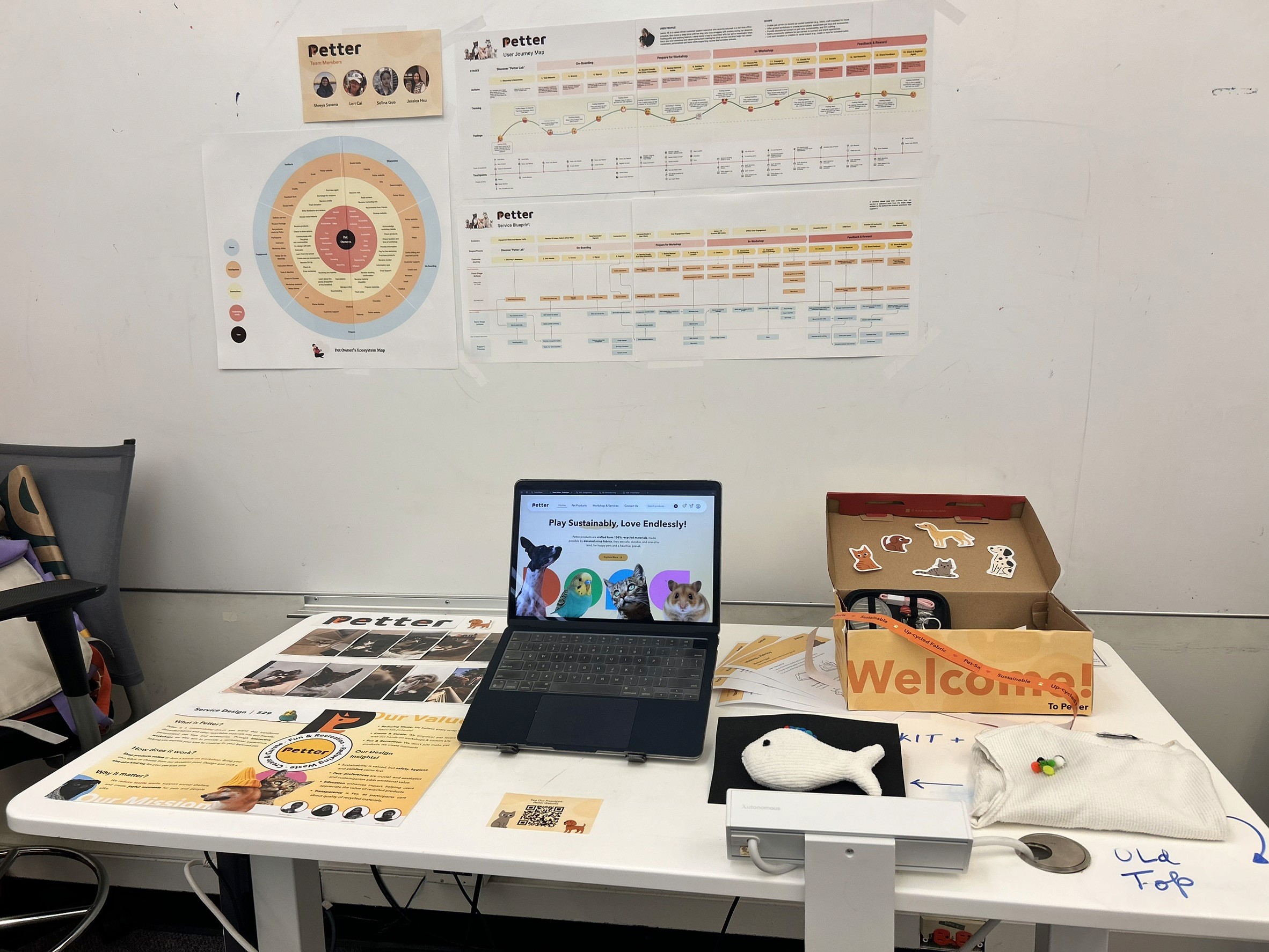
Service design class final showcase
👩💻 What I Learned
Trusting the Process: I learned that design often begins in uncertainty, and clarity comes through synthesizing messy research to define the service's core value.
Service Ecosystem Thinking: The project pushed me to think beyond individual touchpoints and consider the entire service and interaction ecosystem, balancing user needs with sustainability goals.
🙋♀️ What I Would Do Different
Expand Testing: I would expand testing with real pet owners to validate both the full workshop flow and the digital platform's usability end-to-end.
Partnership Exploration: I'd explore partnerships with local shelters and pet retailers to reach broader communities and establish official donation channels.
🔮 Future-Proofing the Design
To continue maximizing the environmental and community impact of the Petter service, the next steps would focus on expanding accessibility and encouraging habit formation:
Remote Access Kits: Experiment with digital workshop kits and video instructions for remote access to serve a wider geographical audience.
Incentive Models: Test loyalty programs or incentive structures that encourage users to return for consistent fabric donation and upcycling behavior.
Community Hub: Design a feature for a community hub to allow users to share their custom creations and upcycling tips, increasing user engagement and peer-to-peer education.